


By Ifeoma Ikem
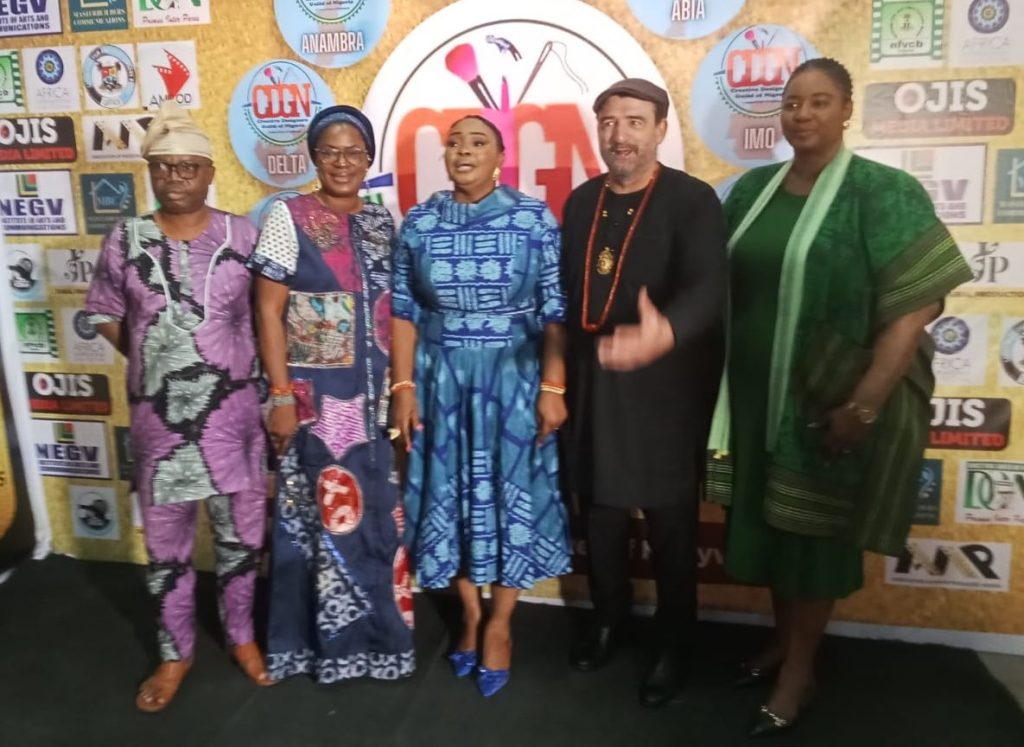
The Consul General of Germany, Mr. David Krull, has commended Nigeria’s film industry, Nollywood, describing it as the second-largest film-producing industry in the world with over 2,500 films released annually.
Krull stated that Nollywood’s output demonstrates Nigeria’s creativity and economic potential, emphasizing that the film sector could further strengthen the nation’s economy if properly managed.
He made the remark during the Creative Designers Guild of Nigeria (CDGN) second exhibition held in Ikeja, Lagos, with the theme “Re-Defining Culture for Economic Productivity.”
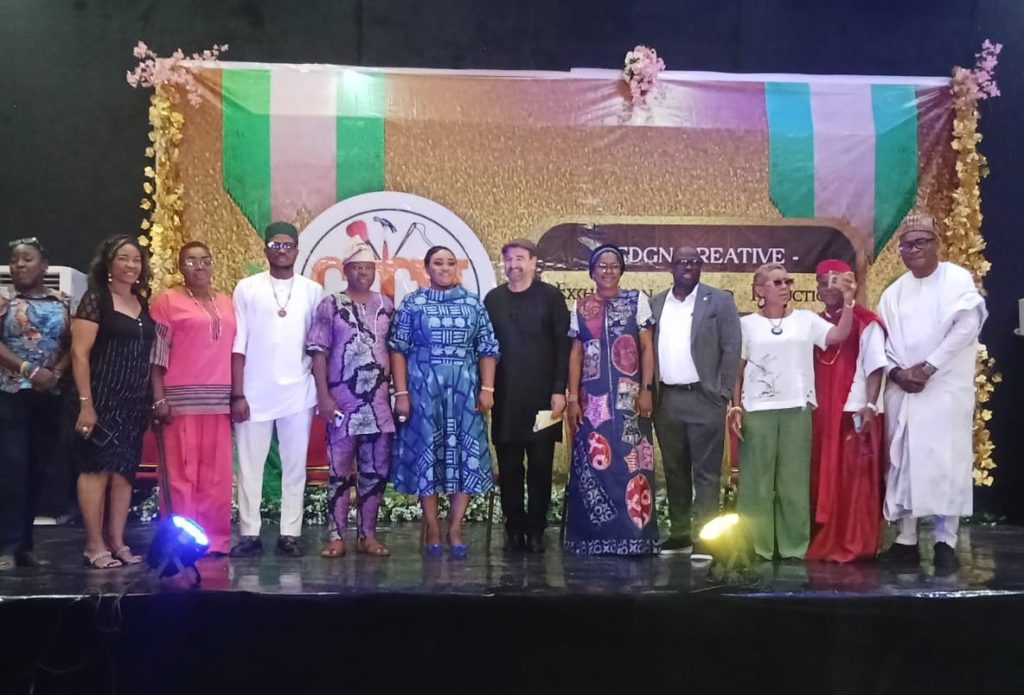
According to him, “Nigeria is so productive. We are here to learn, share experiences, and build future cooperation between Nigeria and Germany in film production. Nigerian filmmaking is storytelling — it reflects history and culture, which play vital roles in nation-building.”
Krull added that the industry possesses vast potential to create employment for talented Nigerian youth, describing collaboration and cultural exchange between both countries as a means of mutual growth.
Speaking at the event, the Executive Secretary and CEO of the Lagos State Film and Video Censors Board, Mrs. Adebukola Agbaminoja, advised parents to instill cultural values in their children.
She emphasized that the nation’s cultural heritage teaches the protection and nurturing of children, not subjecting them to street labour.
“Putting underage children on the street to make money for the family is not our culture,” she said. “Nigerian culture protects child rights, provides care, and ensures their well-being until they are of age.”
Agbaminoja stressed that moral and cultural education should begin at home. “Charity begins at home,” she said. “Parents must play their vital roles in proper child upbringing, while schools, churches, and communities reinforce these values.”
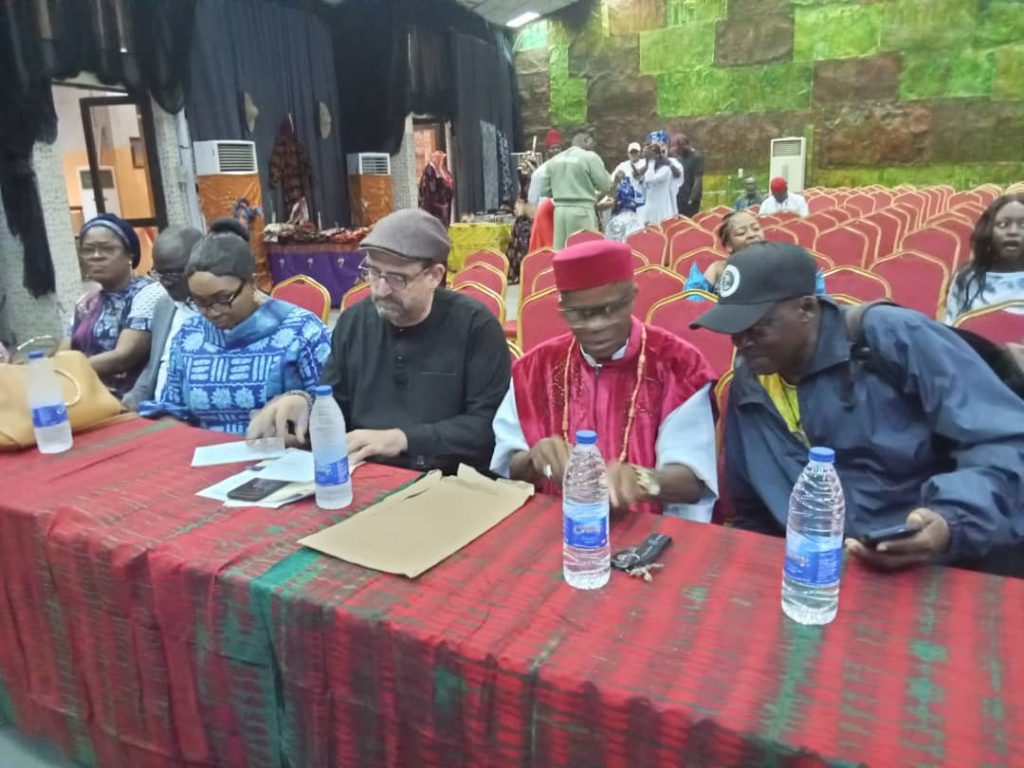
Also speaking, Bishop Joseph Ighalo Edoro explained that redefining culture for economic productivity was crucial to reawakening Nigeria’s understanding of culture as an economic asset.
“Culture is not merely costume, music, or ritual — it is capital. It is the living code that drives creativity, industry, and commerce,” he said.
“Nations that understand this have moved beyond preserving culture as heritage to projecting it as a strategic resource. Nigeria, through Nollywood, is now one of the world’s most compelling examples of cultural entrepreneurship.”
He noted that Nigeria’s entertainment and media industry, valued at about USD 9 billion in 2023, is projected to grow to USD 13.6 billion by 2028, at an annual rate of 8.6 percent.
The exhibition featured displays of Nigerian fashion, cuisine, and cultural artifacts, with various states showcasing their unique heritage. Krull and other dignitaries were conducted around the exhibition stands.
In her welcome address,
Evang. Joy Akinyemi, President of the CDGN, described culture as the lifeblood of every society — the narrative that shapes identity, values, and aspirations.
“Redefining culture for economic productivity is the pathway to prosperity,” she said. “Our creative industries — film, fashion, music, arts, and design — are not just expressions of talent but powerful sectors that can drive economic growth.”
Akinyemi urged stakeholders to promote policies that protect intellectual property, ensure fair compensation for artists, and project Nigeria’s cultural products globally. “By doing so, we create an ecosystem where culture thrives and fuels national development,” she added.
A member of the Guild, Dr. Henry Obidi, commended Akinyemi’s leadership for organizing a colourful and impactful exhibition that has attracted international attention. He noted that Germany’s partnership demonstrates the global appeal of Nigeria’s culture.
Obidi expressed optimism that showcasing locally made cultural items would open new economic opportunities and help in national development.
Also speaking, Dr. Bolaji Akinyemi said the event represented more than an art exhibition — it symbolized a cultural revival for economic progress.
“What we are witnessing today is not just art on display; it is a revival concept for our national economy through culture,” he said. “The Creative Exhibition 2.0 is rekindling what we lost when leadership became disconnected from cultural values.
You cannot reward what you have not refined. Our goal is to rebuild a Nigeria where training births transformation and honour becomes the harvest of integrity.”
