



The Federal Operations Unit (FOU) Zone ‘A’ of the Nigeria Customs Service (NCS) has intercepted pharmaceutical products worth N3.7 billion and handed them over to the National Agency for Food and Drug Administration and Control (NAFDAC) in Lagos.
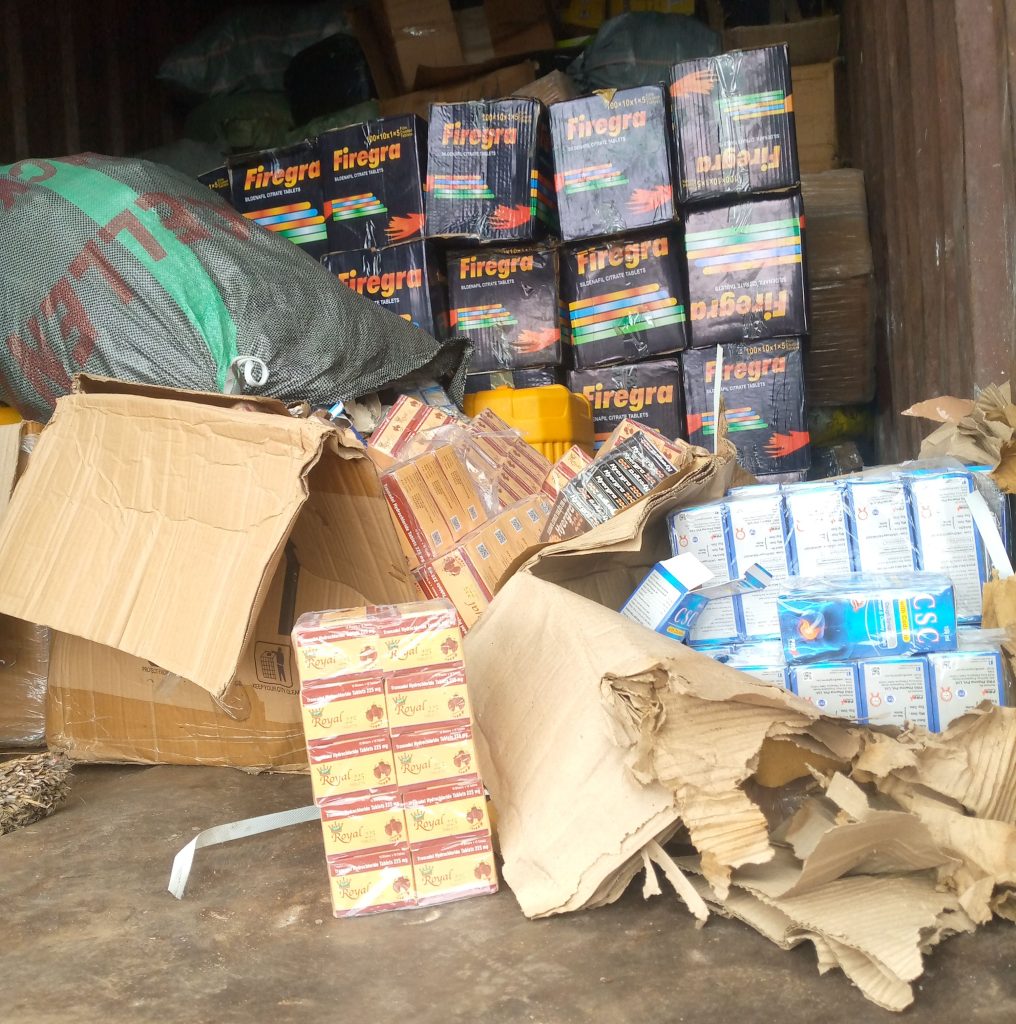
The seized products, which include various brands of expired medications, were discovered in three trucks and pose serious health risks to the nation if not properly monitored.
According to Comptroller Mohammed Shuaibu, the unit controller, during a courtesy call on him by NAFDAC officials, the handover is in line with the Memorandum of Understanding (MoU) between the NCS and NAFDAC.
The MoU has recorded significant milestones in the country’s fight against fake and counterfeit products. Shuaibu emphasized the importance of ensuring the safety and efficacy of medications, warning that expired products must be handled with utmost seriousness.

“These expired products pose grave risks to society, hence this collaborative effort sets a precedent for future actions aimed at ensuring that only safe and effective medications are available to the Nigerian population,” he explained.
The NAFDAC boss, who was represented by the agency’s Director of Enforcement and Investigation, Dr. Martin Iluyomade, commended the Customs Service for its commitment to implementing the MoU between the two agencies. He stressed that the synergy between the agencies will not allow individuals to jeopardize the lives of citizens by trading in substandard products.
Iluyomade advised Nigerians “to be cautious when purchasing medications, especially if they do not work as expected, and to patronize reputable pharmacies.
Nowhere in the world are drugs hawked in public places, talkless of inside buses. Medicine should be kept in low temperature not to be exposed.”
The seized products included Hyergra, Royal Tablets 225, CSC Codine Syrup, Really Extral, Tramadol, Amlodipine, Milk Oil Flavour, and Firegra, among others. The NCS and NAFDAC have reiterated their commitment to ensuring that only safe and effective medications are available to the Nigerian population.
This development is a significant step in the country’s fight against fake and expired pharmaceutical products, and it highlights the importance of collaboration between regulatory agencies in protecting public health.
