

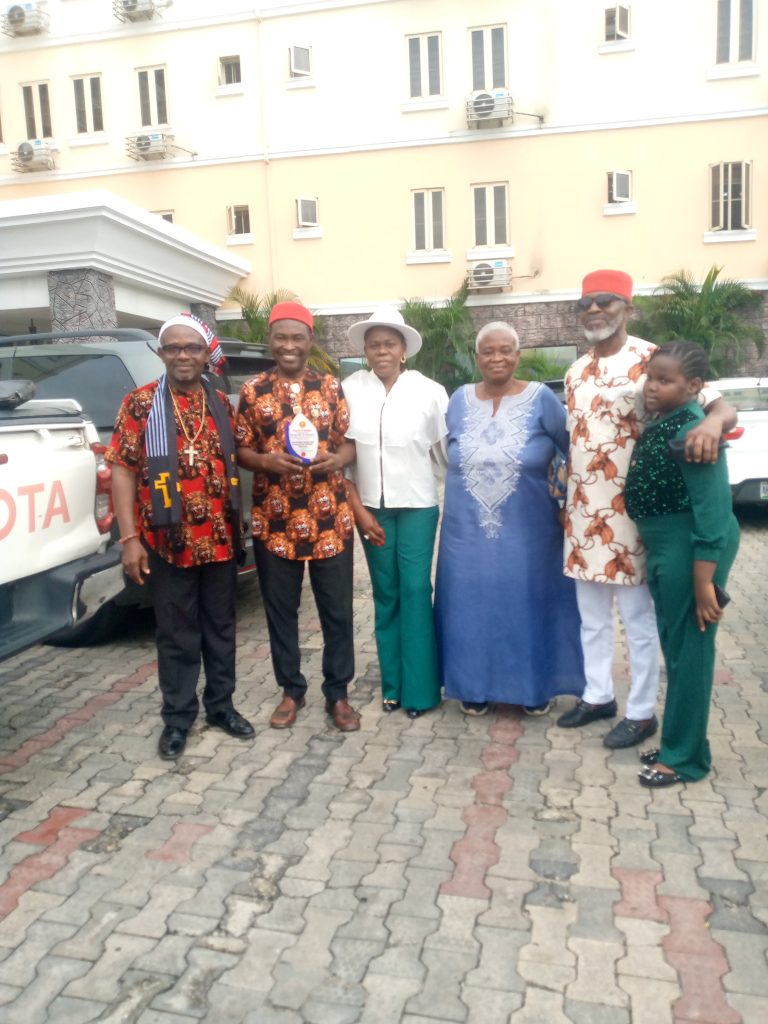
In a renewed call for ethnic harmony and nation-building, leaders of Ndigbo and Yoruba communities have emphasized the urgent need for unity between the two groups, describing their collaboration as vital to peace, progress, and development in Lagos and Nigeria at large.
This message resonated strongly at a peace conference held in Surulere, Lagos, which brought together political leaders, clergy, community heads, and other dignitaries under one roof to deliberate on fostering unity and rebuilding trust between the two major ethnic nationalities.
Speaking at the event, Chief Leo Okafor, former President of Ohaneze Ndigbo, Lagos, said the peace conference was designed to rekindle the age-long bond between the Igbos and Yorubas — a relationship he said had been strained by political manipulation and selfish interests.
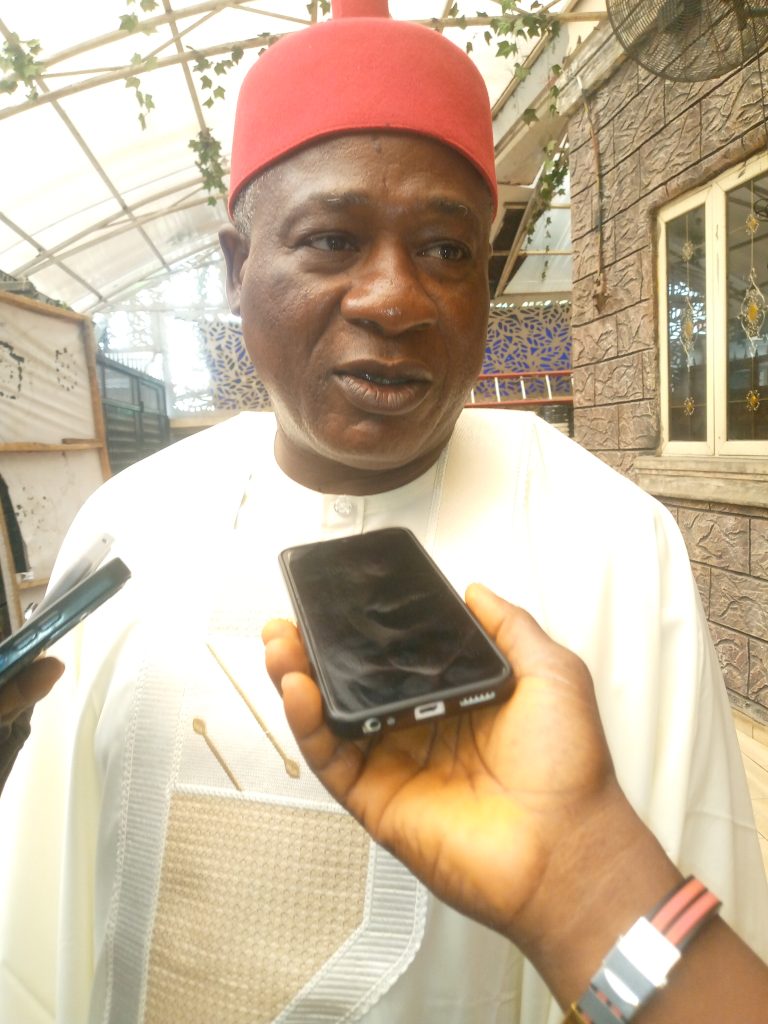
He disclosed that the Igbos and Yorubas have been friends from the beginning, adding that “we were one people until politicians disrupted the unity of the state for their own selfish gain.”
Recounting his experience as a former president of the Trade Fair International Market, Chief Okafor stated that there was agreement among the traders that “Igbos and Yorubas must never fight,” noting that the market was founded on the principle of peaceful coexistence.
Chief Okafor also emphasized that leadership is not about ethnicity or whose turn it is, but about the right approach to issues and mutual respect.
“We must see ourselves as brothers and sisters. Nigeria cannot progress if we keep fighting one another,” he said.
Another speaker, Dr. Akinyemi Bolaji, Convener of PVC Naija, urged the Lagos State Government, led by Governor Babajide Sanwo-Olu, to play a more proactive role in calming ethnic tensions across the state. He cautioned against allowing misinformation and ethnic profiling to divide the people.
He stressed that the root of Nigeria’s ethnic conflicts lies in the failure of citizens to uphold constitutional principles guaranteeing freedom of residence and business for every Nigerian, regardless of origin.
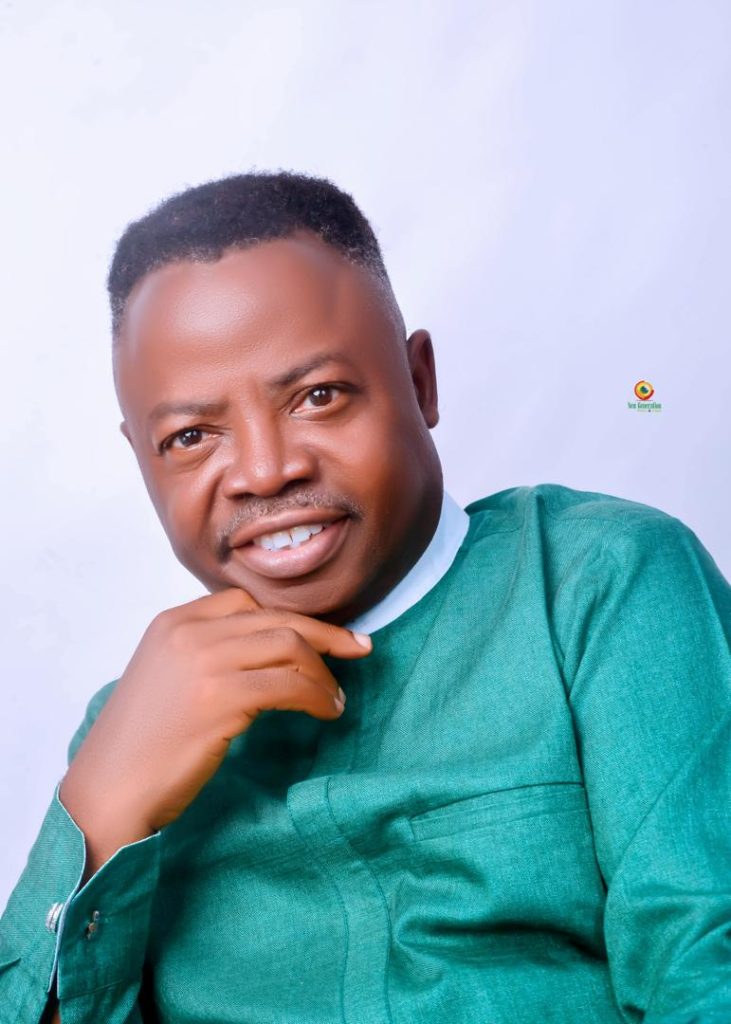
“No one owns any land except the state,” he argued. “We lost our sense of unity when we allowed the military to suspend the 1963 Constitution. It’s time we stopped fighting over what doesn’t belong to us and focused on building a united nation.”
Also speaking, Rev. Dom F. Ferguson, President General of the League of Igbo Clergy International (LICI), explained that the peace conference was part of efforts by the Igbo clergy to reunite different Igbo factions and restore brotherhood among ethnic communities.
He emphasized that peaceful coexistence between Ndigbo and Yoruba is non-negotiable, adding that political greed and manipulation have long been the source of division.
“In those days, when things went wrong, we ran to the church for solutions. The church unites all ethnic nationalities, and that’s why we’re using the League of Igbo Clergy to bring everyone back together to speak with one voice,” he affirmed.
In his remarks, Dr. Adetokunbo Pearse, a Public Affairs analyst and former PDP presidential aspirant, linked Nigeria’s insecurity and economic hardship to the absence of unity among its people.
Stressing that the major trigger of the country’s challenges is disunity, Dr Pearse urged both ethnic and religious groups to acknowledge the influence of politics in every sphere of society and to use dialogue, not division, as a tool for growth.
“Good governance, fairness, and equity must be our focus. Unity is strength—and only through strength can we achieve progress, win elections, and enjoy the dividends of democracy,” he stated.
As the conference drew to a close, participants echoed a collective commitment to peace, mutual respect, and cooperation, reaffirming that only through unity can Lagos — and indeed Nigeria — reach its full potential.
