


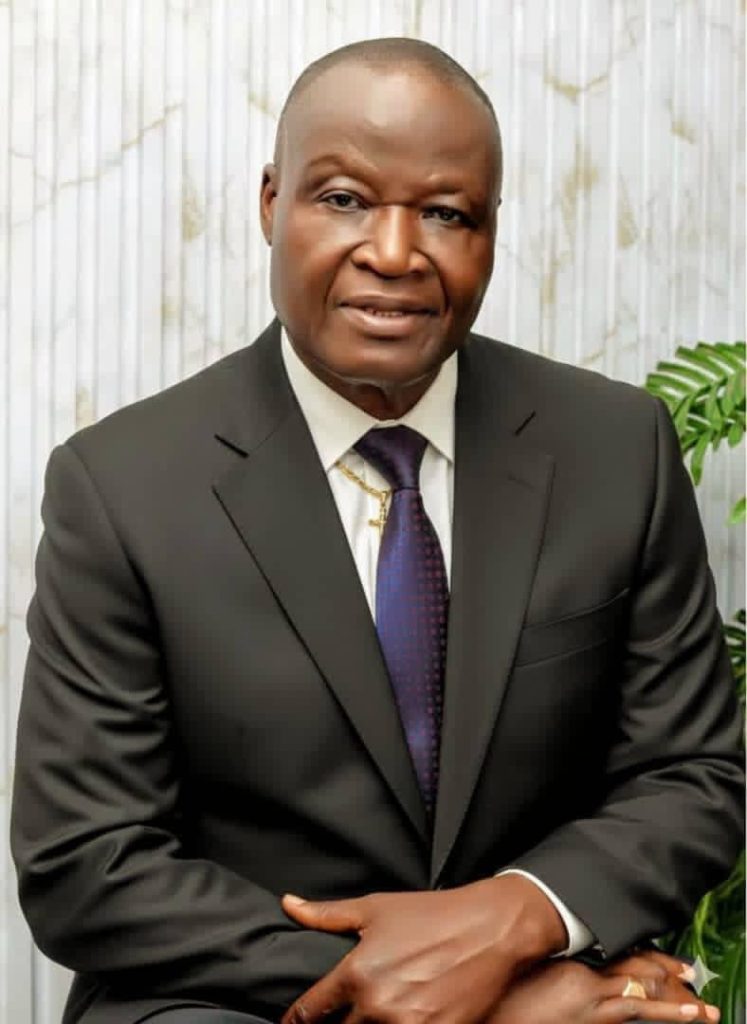
By Tricia Ikem
Ambassador Steve Nwose has said corruption continues to thrive in Nigeria because many citizens have surrendered to fear, hopelessness and weak institutions that reward greed while punishing integrity.
Speaking during an online interview while reacting to first quarter reports on corruption trends in 2026, Nwose said Nigerians are not inherently corrupt but have become victims of a system that often encourages dishonest practices.
According to him, corruption has evolved into a self-sustaining cycle where public officials act with impunity while ordinary citizens feel powerless to challenge wrongdoing.
He explained that many Nigerians have gradually normalized corruption because they believe speaking out could expose them to victimisation, intimidation or denial of essential services.
“Nigerians are not uniquely corrupt people. People respond to systems that reward greed and punish integrity. Impunity has led the populace to surrender and normalize corrupt practices,” he stated.
Nwose noted that real national transformation would only happen when citizens stop waiting for political messiahs and begin to build institutions that can outlive individuals.
He urged Nigerians to demand greater accountability from public office holders, support credible leadership and reject corruption at every level of society.
According to him, history has shown that meaningful reforms often begin with a few courageous individuals who inspire others to act.
“Real change has never come because everyone was brave. It came because a few courageous people inspired others to stand up little by little. Fear is real, but silence has never built a better nation,” he added.
The ambassador lamented that many Nigerians now fear the same institutions established to protect them, including security agencies, making it difficult for citizens to report corrupt practices.
He said this growing distrust has weakened public confidence in governance and further emboldened corrupt actors within the system.
Nwose also described corruption as a deeply rooted cultural and systemic challenge, noting that some citizens often participate in bribery simply to gain access to basic services.
He warned that such participation only strengthens the cycle of corruption and makes reforms more difficult to achieve.
He further expressed concern over the judiciary, describing it as an institution whose credibility has been damaged by widespread perceptions of compromised justice.
Highlighting the economic burden on citizens, Nwose said many Nigerian households now spend more than 70 percent of their income on food, leaving little for other necessities and forcing families to focus on survival rather than long-term economic advancement.
