


By Ifeoma Ikem
The residents of Festac Town in Amuwo-Odofin, Lagos, are crying out once again. Their daily lives are defined not by convenience but by the endless battle against failed roads and broken infrastructure.
On Sunday, the community’s frustrations spilled into the open as hundreds of people staged a peaceful walk across the town. Their aim was clear: to draw urgent government attention to the appalling state of the roads.
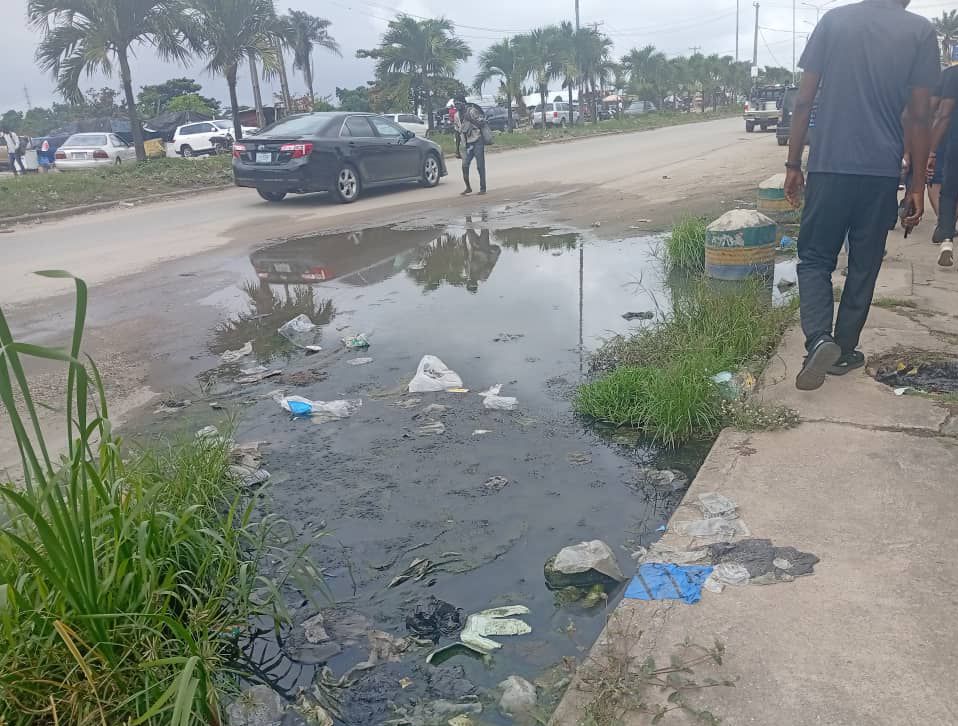
Potholes have become a permanent feature of Festac’s streets. Motorists say what used to be smooth journeys have now turned into obstacle courses riddled with hazards that damage vehicles and delay movement.
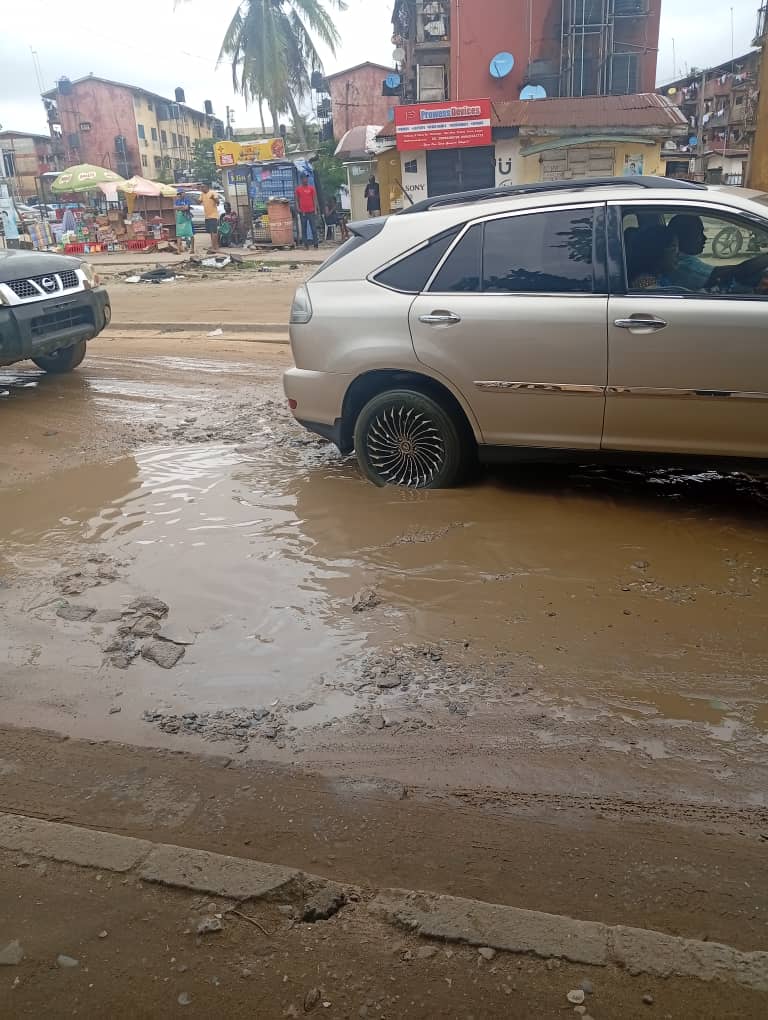
For mechanics in the area, business is booming. But for residents, frequent trips to repair workshops have become a financial burden. “Every week, I spend money fixing my car’s suspension,” lamented a taxi driver who joined the protest.
The walk brought together people from all walks of life — young traders, elderly parents, medical professionals, and community leaders. Their presence underscored the scale of the problem and the unity of their demands.
Placards bearing inscriptions like “Fix Our Roads Now” and “We Deserve Better” dotted the procession. The slogans reflected years of pent-up anger and disappointment at perceived government neglect.
“We cannot continue to suffer like this,” said Mrs. Agnes Uche, a mother of three who trekked with her children. “School runs, hospital visits, even simple errands are a nightmare because of these roads.”
The protests, though peaceful, carried an undercurrent of urgency. Community leaders warned that without swift intervention, Festac could face worsening flooding and further structural decay due to broken drainages.
Dr. Kola Ajayi, one of the organizers, said the demonstration was not about politics but about survival. “This is about the people,” he explained. “We are not asking for luxury, just roads we can drive and walk on safely.”
Business owners also raised alarm over the economic toll. Delivery vans struggle to move goods, customers avoid certain areas, and transportation costs keep rising. “It is strangling commerce,” a shop owner observed.
Beyond economics, the health risks are also mounting. Stagnant water from collapsed drainages has created breeding grounds for mosquitoes, fueling fears of increased malaria and other diseases in the community.
This is not the first time Festac residents have raised the alarm. Past appeals and petitions have often been met with promises but little visible action. Sunday’s demonstration was therefore both a cry of desperation and a demand for accountability.
Local youth groups have vowed to sustain pressure until real change is seen. “We will not stop until bulldozers move in and reconstruction begins,” declared one of the organizers.
As the sun set on the peaceful walk, the message remained unshaken. Festac residents want roads that reflect the pride of a once-model estate, not pathways of frustration. And this time, they insist, the government must listen.
