


By Tricia Ikem
Stakeholders in Nigeria’s education sector have called for urgent and scalable solutions to address the rising rate of youth unemployment, stressing the need for strengthened technical education and increased collaboration with the private sector to bridge existing skills gaps.
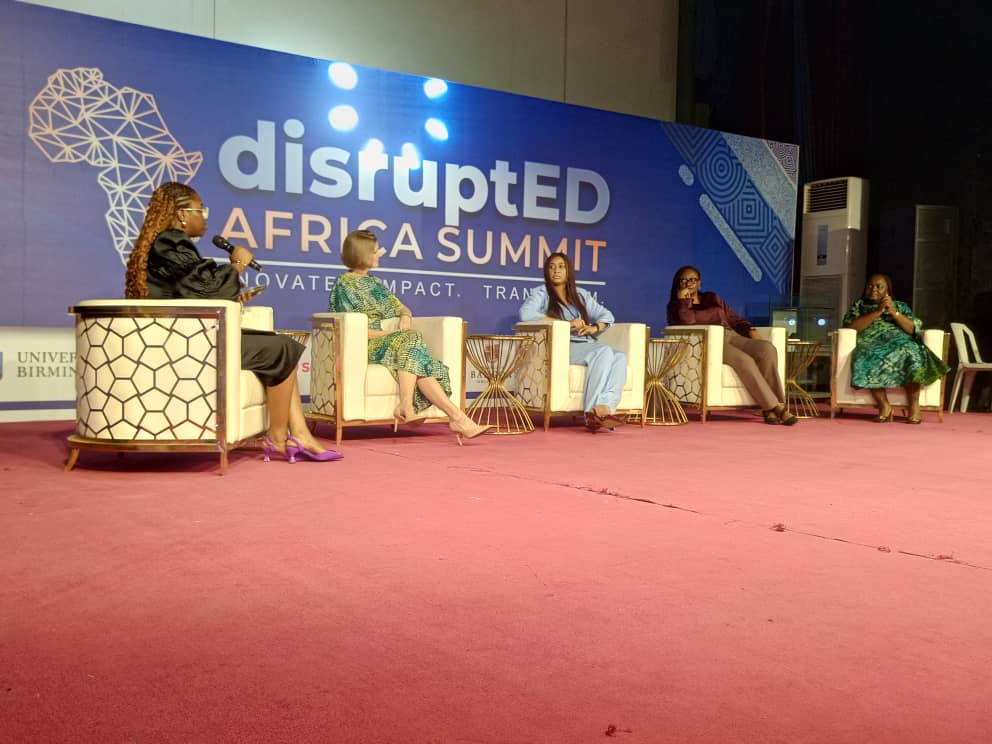
The call was made at the disrupTED EduKate Africa Summit 2026, a one-day leadership forum held at the University of Lagos, where participants examined the growing disconnect between education outcomes and labour market demands.
The summit brought together education leaders, private sector operators and development advocates to promote adaptive learning, practical skills acquisition and innovative financing models for Africa’s education sector.
Experts at the summit strongly advocated increased investment in technical and vocational education, noting that training programmes must reflect current industry realities and evolving labour market needs.
Speakers emphasised that Nigeria’s education system, particularly at the tertiary level, must urgently shift from certificate-driven learning to skills-based and experiential education aligned with global best practices.
Among the speakers were Deby Okoh, Regional Manager at Brunel University of London; Ashley Immanuel, Chief Operating Officer of Semicolon; Olapeju Ibekwe, Chief Executive Officer of Sterling One Foundation; and education advocate, Adetomi Soyinka.
The speakers highlighted the importance of continuous learning, teacher retraining and comprehensive curriculum reform to meet the demands of an increasingly technology-driven global economy.
They stressed that apprenticeship programmes, internships and hands-on training should be fully integrated into academic curricula, noting that over-reliance on theoretical qualifications has widened the employability gap among graduates.
In his remarks, Mr Tosin Adebisi, Director of EduKate Africa and convener of the summit, said the event was designed to challenge what he described as the education sector’s rigid attachment to outdated methods.
Adebisi said innovation must remain central to education reform, adding that stakeholders must rethink teaching methods, learning processes and approaches to solving challenges such as access to education, financing and employability.
He expressed confidence that sustainable solutions could be achieved through strong collaboration across education, private sector and development institutions.
Adebisi, alongside co-Director Mr Francis Omorojie, said the summit aimed at connecting stakeholders working across sectors to close existing skills and opportunity gaps for young people.
The summit also urged parents and educators to promote lifelong learning, critical thinking and adaptability among young people, stressing that education systems must evolve in line with global economic trends.
No fewer than 200 students from the University of Lagos, Lagos State University, Ojo, and other institutions participated in the summit, which was initially expected to host the Minister of Education, Dr Tunji Alausa.
In a welcome address, Prof. Olufemi Oloyede of the University of Lagos emphasised the need to shape young minds through innovation and positive thinking, noting that Africa’s development depends on the strategic use of its human and natural resources, as well as a shift towards creativity and innovation among youths.
