


By Ifeoma Ikem
A maritime expert, Captain Warredi Enisuoh, Executive Director of Operations and Technical at Tantita Security Services Nigeria Limited, has identified the challenges hindering the automation of ports in Nigeria.
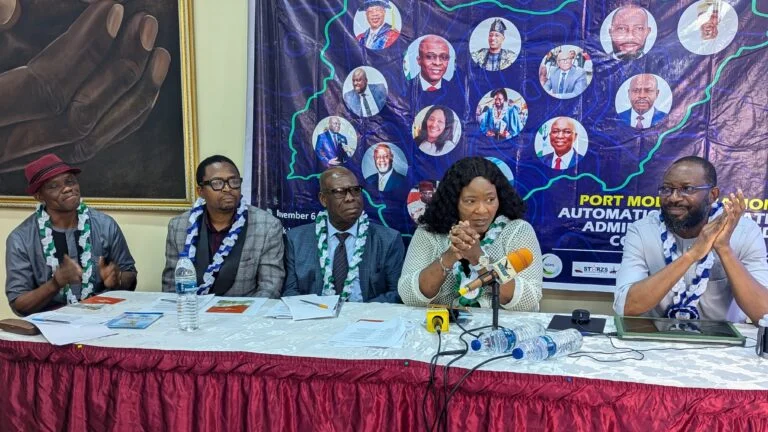
Speaking at a national discourse hosted by Maritime Nigeria, Enisuoh stated that automating the country’s ports is a complex task that requires superior thinking and reasoning.
Enisuoh attributed the difficulty in port automation to the legacy nature of the country’s ports, such as Apapa Port and Tin Can Island Port, which were built long ago and have since been encroached upon by non-port activities.
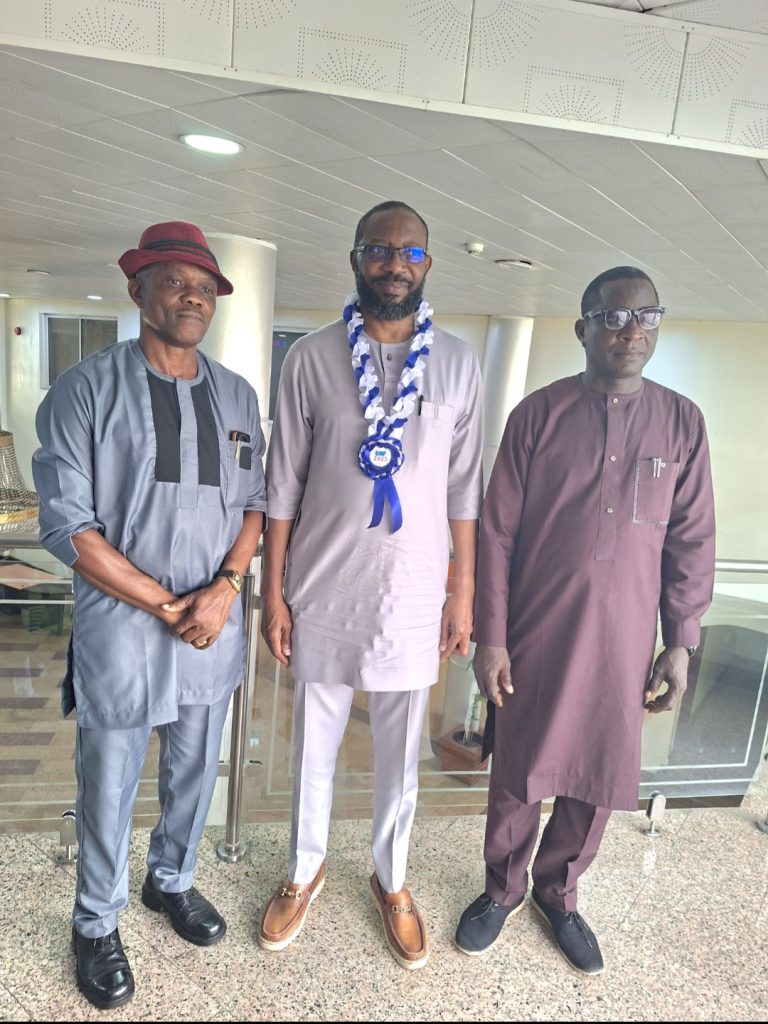
“The legacy ports, such as Apapa Port and Tin Can Island Port, were built long ago, and non-port activities have since crowded the areas, making automation a challenging task,” he said.
Despite these challenges, Enisuoh emphasized the importance of port automation for Nigeria’s economic growth. He noted that realizing this objective would require a massive resettlement of people and infrastructure, which would necessitate significant commitment and investment.
To achieve this, Enisuoh suggested adopting a greenfield approach, where a new port is built from scratch. “A greenfield approach, where a new port is built from scratch, would be the best and cheapest way to automate the ports, engaging the private sector in the process,” he stated.
According to Enisuoh, port automation would yield numerous benefits, including increased efficiency, reduced costs, enhanced security, and improved competitiveness of Nigerian ports. He added that if approached correctly, port automation could be a game-changer for Nigeria’s economy.
In the same vein, Mrs. Rollens Macfoy, Managing Director of OceanDeep Services Limited and former President of WIMA-Nigeria, stressed the need for Nigeria’s ports to be modernized to meet international standards.
She cited India as an example, having three seaports and over 200 non-seaport terminals. “We need to improve our seaports and meet international standards,” she emphasized.
Macfoy emphasized the importance of the ongoing push for the Nigeria Shipping & Port Economic Regulatory Agency Bill 2023, which aims to update regulations and improve economic oversight.
In his remarks, Mr. Kelvin Kagbare, Managing Editor of Maritime Nigeria, commended the guests for their professionalism and praised the efforts of the organizing committee.
“The future of Nigeria’s maritime sector depends on individual collective efforts to modernize, regulate and empower,” he stressed.
